IP ratings are the closest thing earbuds have to a durability guarantee, but they are easy to misread. A rating like IPX4 or IP57 tells you exactly what kind of water and dust the buds can survive, and just as importantly, what they cannot. This guide explains how to decode the letters and numbers, what each rating means in real-world situations like workouts and downpours, and why you should never treat a rating as a promise.
Decoding IPXY
The IP code is an international standard (IEC 60529) that classifies how well a device resists solids and liquids. The format is always IP followed by two digits, or occasionally an X in place of one of them. The first digit is the dust or solid-particle rating, on a scale from 0 to 6. The second digit is the water or liquid rating, on a scale from 0 to 8. Higher numbers mean better protection.
When you see an X, it means that particular test was not performed. It does not mean the product failed or has zero protection. For example, IPX4 means the manufacturer did not submit the device for a dust test, but the water rating is 4. Many earbuds are IPX-rated because the dust test is optional and adds cost, not because the buds are dust magnets.
For the dust digit, 5 means limited protection against dust ingress, and 6 means fully dust-tight. For the water digit, the scale runs from 1 (vertical dripping) to 8 (continuous immersion beyond one metre). The ratings you will see most often on earbuds are 4, 5, 7 and combinations like 57.
Sweat, rain, shower, pool: what each rating survives
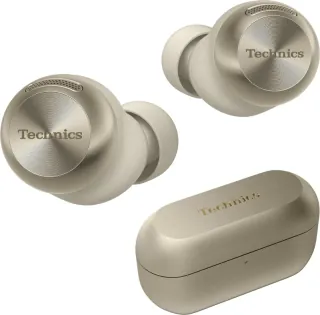
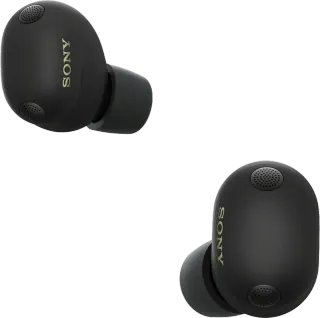
IPX4 is the most common rating on true wireless earbuds. It means the device is protected against splashing water from any direction. That covers sweat during a workout, light rain, and accidental splashes from a sink or bottle. It does not cover submersion, heavy rain, or a shower. The Technics EAH-AZ100 and Sony WF-1000XM6 both carry IPX4, which is typical for premium buds.
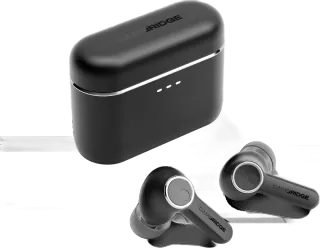
IPX5 steps up to protection against low-pressure water jets, which means you can rinse the buds under a tap or wear them in heavier rain without worry. The Cambridge Audio Melomania A100 and SoundPEATS H3 are rated IPX5. This is a practical level for runners who get caught in downpours or cyclists who ride in wet conditions.
IPX7 is a different category entirely. It means the device can be immersed in water up to one metre for 30 minutes. That is enough for a drop in a puddle, a rinse under the tap, or even a quick dip in a pool, though it is not a swimming rating. The Apple AirPods Pro 3 are rated IP57, which combines limited dust protection (5) with immersion resistance (7). That is one of the highest ratings you will find on mainstream earbuds.
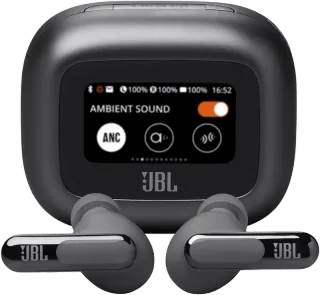
IP55, seen on the Huawei FreeBuds Neo and JBL Live Beam 4, means limited dust protection plus jet-water resistance. It is a solid middle ground for outdoor use, though the dust protection is not absolute.
What about swimming? No rating on this list is meant for swimming. IPX8 is the only rating that covers continuous immersion, and even then it is usually specified for a depth and duration the manufacturer chooses. If a product claims to be "waterproof" for swimming, the rating should say IPX8 with a depth figure. Anything less is splash or jet protection only.
The case is the weak point
Most earbud cases have no IP rating at all. The buds themselves may be IPX4 or IP57, but the charging case is typically a plain plastic shell with exposed metal contacts and a hinge. That means you can sweat on the buds and rinse them off, but if you drop the case in a puddle or leave it in a wet pocket, the charging contacts can corrode.
The case is also where water tends to pool. If you put wet buds back into the case, moisture can sit against the contacts and cause issues over time. Manufacturers usually quote the rating for the buds alone. The IPX4 rating on the Technics EAH-AZ100, for example, applies to the earbuds, not the case. This is normal across the industry, but it is worth remembering when you decide where to store your buds after a run.
A practical habit is to dry the buds with a cloth before returning them to the case, especially after a session where they have been exposed to rain or heavy sweat. A few seconds of wiping can prevent corrosion that no rating covers.
Why ratings are not warranties
An IP rating is a laboratory test result, not a warranty. It tells you what the product survived in controlled conditions, not what it will survive in your pocket, your gym bag, or the sea. Salt water is a particular problem. The IP water tests use fresh water, and salt is corrosive. Sweat is also salty, and over time it can degrade seals and coatings even if the rating covers splashes.
Manufacturers often exclude water damage from their warranties, even when the product carries an IP rating. That is not a loophole; it is standard practice. The rating shows the design intent, but the warranty terms are what you actually get if something fails. If you plan to use your earbuds heavily for sports, check the warranty language before you assume a rating will cover a failure.
Also note that IP ratings assume the device is undamaged. A drop that cracks the casing or a worn ear tip can compromise the seals, and the rating no longer applies. Ratings are a snapshot of a new, intact product, not a lifetime guarantee.
For a different approach to durability, consider open-ear designs that sit outside the ear canal. See our best open-ear guide for models that keep sweat away from the drivers. And if you are comparing specific models, the HearWiki comparison tool lets you line up ratings, battery life and features side by side.
FAQ
Can I shower with IPX4 earbuds?
No. IPX4 only covers splashing from any direction, not a direct stream or immersion. A shower produces a continuous jet of water, which exceeds the rating. If you want to shower with earbuds, look for IPX7 or higher, and even then, check the manufacturer's guidance.
What does IPX7 mean for swimming?
IPX7 means the device can be immersed in fresh water up to one metre for 30 minutes. That is enough for a drop in a pool or a rinse, but it is not a swimming rating. Swimming involves movement, pressure changes and often chlorine or salt, none of which are covered by the IPX7 test.
Is IP57 better than IPX5?
Yes, for most purposes. IP57 includes dust protection (5) and immersion resistance (7), while IPX5 only covers low-pressure water jets and has no dust rating. IP57 is a higher overall rating, though IPX5 may be sufficient if you only need rain and sweat resistance.
Does an IP rating mean the earbuds are waterproof?
No. "Waterproof" is a marketing term, not a standard. An IP rating like IPX7 means the device survived a specific immersion test, but it does not mean it is impervious to water in all conditions. Salt water, high pressure and prolonged submersion can still cause damage. Always check the warranty for water damage exclusions.
For more on choosing between rated and unrated models, browse the true wireless category to see how durability fits into the wider picture.