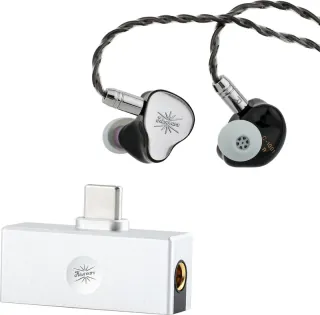
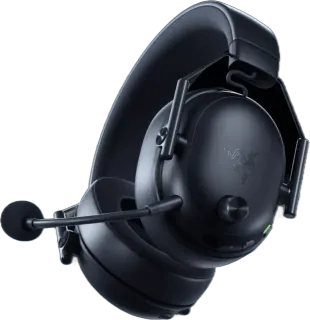
Two wired IEMs, both under $200, both tuned for balance rather than hype. The Kiwi Ears KE4 and CrinEar Daybreak take different routes to a similar destination, and their headline scores sit almost on top of each other. This head-to-head breaks down what each asks for, what you get, and which one fits your listening habits better.
Price and positioning
The Kiwi Ears KE4 costs $199. It is a wired hybrid IEM with a dual dynamic driver and dual balanced armature configuration (2DD + 2BA). The CrinEar Daybreak costs $170, a bit less, and uses a single dynamic driver with two balanced armatures (1DD + 2BA), which the brand calls a tribrid. Both are wired-only, so there is no Bluetooth, no ANC, and no battery to worry about. The KE4 arrived in 2024; the Daybreak followed in 2025.
At $29 apart, price is not the deciding factor here. The Daybreak is cheaper, but not dramatically so. What you are really paying for is tuning philosophy. The KE4 leans into a relaxed, smooth presentation with extra bass and treble sparkle. The Daybreak aims for a neutral, reference-style sound with natural mids. Neither is a budget pick, but both sit comfortably in the mid-range wired IEM space, a category worth browsing in our best wired IEMs guide.
The scores, side by side
The HearWiki buyability score for the KE4 is 84/100. The Daybreak scores 84/100 as well. That is effectively a tie. The 0.3-point gap is within rounding noise, so do not read a winner from the headline numbers alone.
Sub-scores tell a slightly richer story. On sound, the KE4 gets 8.6/10 and the Daybreak gets 8.8/10. Again, close. The Daybreak edges ahead on value, scoring 9.2/10 against the KE4's 8.6/10. That is a more meaningful gap, driven by its lower price and strong performance per dollar. Neither product lists sub-scores for ANC, battery, or calls, because both are wired IEMs with no active features. Those categories simply do not apply.
Remember, the headline score is a buyability measure based on published review consensus, price, and availability. It is not a weighted average of the sub-scores. So the Daybreak's value lead does not automatically explain its slightly higher sound score, and the KE4's lower value score does not drag its headline down.
Sound
The KE4 is tuned to the 'New Meta' style, but with a twist. It adds extra bass and treble sparkle on top of that balanced foundation. The result is a warm, relaxing sound with rich lower mids and airy highs. Midrange clarity is solid, and it handles a wide range of genres without complaint. The trade-off is that the sub-bass can get overpowering on some tracks, and the overall presentation is smooth rather than aggressive. If you want dynamic impact or a V-shaped thrill, this is not it.
The Daybreak goes the other way. It is neutral-leaning, focused on accurate reproduction and natural mids. Vocals sound lifelike, and bass texture is strong with a clear sub-bass emphasis. It performs well across genres, but the upper mids can turn shouty on certain recordings. Like the KE4, it is not the most exciting or dynamic listen. Both IEMs prioritise balance over excitement, but they balance differently: the KE4 is warmer and more forgiving, the Daybreak is more analytical and revealing.
If you want to compare them directly on a spec sheet, the full comparison table lays out the driver configs and impedance side by side. The KE4 has an impedance of 28 ohms; the Daybreak sits lower at 20 ohms. Neither lists a weight figure.
Noise cancelling and battery
Neither the KE4 nor the Daybreak has active noise cancelling. Both are wired IEMs, so ANC is not a feature you should expect. If you need noise isolation, you are relying on the physical seal of the eartips, which is true of any wired IEM.
Battery life is also not listed for either product. There is no battery, no charging case, and no wireless operation. No battery figure applies to either model. If you are shopping for something you can use on a commute without a cable, these are not the products for you. Our best true wireless guide covers that territory instead.
Calls and everyday use
Neither product lists a microphone count, so call quality is not a documented strength. Both are wired IEMs, and while some wired IEMs include an inline mic, HearWiki has no figure for either model. If calls are a priority, you should look elsewhere or check the product listing before buying.
For everyday use, both are comfortable and versatile. The KE4 is praised for its fit and broad genre compatibility. The Daybreak is also described as performing admirably across genres. Neither has multipoint, wireless charging, transparency mode, or wear detection, because those features require a wireless chip. Both are simple, wired, and focused on sound.
Which one should you buy?
Choose the Kiwi Ears KE4 if you want a warmer, more relaxing sound with a bit of extra bass and treble energy. It is forgiving of poor recordings and suits long listening sessions. The $199 price is fair for the hybrid driver setup and the comfort it offers.
Choose the CrinEar Daybreak if you prefer a neutral, reference-style tuning with natural mids and strong bass texture. It costs $29 less, scores higher on value, and will appeal to listeners who want accuracy over warmth. Just be prepared for a cheaper stock cable and occasional shoutiness in the upper mids.
If you are still torn, the difference is small enough that your music library should decide. For rock, electronic, and pop with heavy bass, the KE4's warmth may flatter. For acoustic, jazz, and vocal-focused tracks, the Daybreak's neutrality will shine. Either way, you are getting a well-regarded wired IEM under $200.
FAQ
Which IEM is better for bass, the KE4 or the Daybreak?
The KE4 has extra bass and treble sparkle, so it sounds warmer and more bass-forward. The Daybreak has strong bass texture with sub-bass emphasis, but it is tuned neutral overall. If you want more bass presence, the KE4 is the safer pick.
Are the Kiwi Ears KE4 and CrinEar Daybreak good for gaming?
Both are wired IEMs with no listed microphone, so gaming chat is not a documented strength. For music and single-player games, either will work, but the Daybreak's neutral tuning may reveal more detail in game audio. Neither is marketed as a gaming headset, so check our best gaming headsets for that use case.
Do the KE4 or Daybreak need an amplifier?
Neither product lists a high impedance. The KE4 is 28 ohms and the Daybreak is 20 ohms, so both should run fine from a phone or laptop headphone jack. A dedicated amp is not required, though a clean source will always help.