The ear tip is the most underrated component of any in-ear product. It is the physical interface between the driver and your ear canal, and it determines how much bass you hear, how well noise is blocked, and how comfortable a pair feels over hours of listening. This guide explains why the seal matters more than any driver spec, how different tip materials change the sound, and what to do when a highly rated pair sounds thin in your ears.
Seal first, everything else second
A driver can measure superbly on paper, but if the ear tip does not form an airtight seal in your ear canal, the bass will roll off dramatically and the overall sound will become thin and distant. This is physics, not opinion: a sealed cavity is required for the driver to pressurise the ear canal and reproduce low frequencies accurately. Without that seal, low-end energy leaks out and the perceived frequency response shifts upwards.
The same principle applies to passive isolation and active noise cancellation. A good seal physically blocks ambient noise before ANC even engages. With ANC, the seal also provides the consistent baseline that the cancellation circuitry relies on. If the seal is broken, ANC has to work harder and less effectively. That is why the Apple AirPods Pro 3 have a high ANC sub-score of 9.3/10, yet some owners report the noise cancellation feels weak: the stock tips do not fit every ear shape, so the seal is compromised.
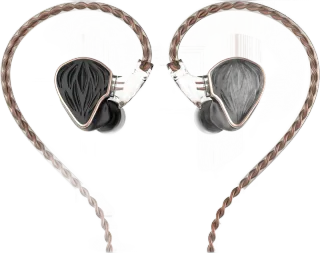
Driver size, material, and tuning are secondary. A 10 mm dynamic driver in a well-sealed ear will sound fuller than a 12 mm driver in a loose-fitting tip. The CrinEar Reference wired IEM, for example, relies entirely on passive isolation from its snug fit; with the right tips, it blocks a surprising amount of ambient noise for a non-ANC product.
Silicone, foam and hybrid tips
Silicone tips are the default on most true wireless earbuds and wired IEMs. They come in single-flange and multi-flange designs. Single-flange tips are easy to insert and clean, but they rely on a precise size match to seal well. Multi-flange tips, with two or three stacked flanges, create a more reliable seal across a wider range of ear shapes, at the cost of a deeper insertion that some find uncomfortable.
Foam tips, usually made from memory foam, expand to fill the ear canal after you compress and insert them. They are more forgiving of size mismatches and provide excellent passive isolation, which is why they are popular with musicians and frequent flyers. The trade-off is durability: foam degrades faster than silicone and needs replacing every few months.
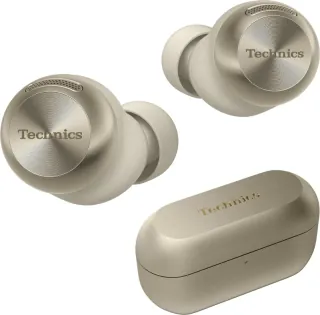
Hybrid tips combine a silicone core with a foam or silicone outer layer. They aim to offer the comfort of silicone with the seal reliability of foam. Some premium models, like the Sony WF-1000XM6, ship with hybrid tips, but even then, the stock options may not suit every ear. Even a premium set such as the Technics EAH-AZ100 is only as good as the seal its tips achieve, so treat the bundled sizes as a starting point rather than the final answer.
Getting the size right
Ear canals vary in size and shape, and it is completely normal to need a different size tip in each ear. Many people have one ear canal slightly larger than the other, so do not assume the same size works both sides. The correct size is the one that forms a seal without causing pain or pressure. If you can push the earbud gently and it stays in place, the fit is probably good.
Insertion depth also matters. Shallow insertion with a small tip often sacrifices bass and isolation. Deeper insertion, where the tip sits past the first bend of the ear canal, usually improves the seal and the low-end response, but it can feel intrusive. Some listeners prefer a shallow fit for comfort and accept the bass loss; others chase the full seal and accept the deeper feel.
The Huawei FreeBuds Neo are a good example of a lightweight design that benefits from careful tip sizing. At 4.8 g per earbud, they are easy to wear, but a loose tip will still ruin the sound. Try all the included sizes, in both ears, before you judge the product.
When the reviews and your ears disagree
A high HearWiki score means the product performs well for most reviewers, but it does not guarantee the fit will work for you. The Cambridge Audio Melomania A100 score 86/100 overall with a sound sub-score of 9.0/10, yet a listener with unusually large or small ear canals might hear thin bass and weak isolation. That is not a flaw in the product; it is a fit mismatch.
Before you return a pair because they sound bad, try different tips. Swap the stock silicone for foam, or try a larger or smaller size. A simple tip change can transform a thin-sounding earbud into a full-bodied one. This is especially relevant for wired IEMs, where the best wired IEMs often come with a limited set of tips and rely on the user to find the right fit.
For true wireless, the same advice applies. The best true wireless earbuds frequently score high on sound, but the physical fit is personal. If a pair feels loose or sounds hollow, the issue is almost always the tip, not the driver.
Third-party tips and replacement
Aftermarket tips are a thriving market for good reason. Brands like Comply, SpinFit, and Final Audio offer tips in a range of materials, shapes, and sizes that can outperform stock options. Foam tips from Comply are a popular upgrade for ANC earbuds because they improve the passive seal, which in turn helps the ANC work better. SpinFit tips use a rotating core that angles the tip to match your ear canal, which can improve comfort and seal simultaneously.
When buying third-party tips, check the nozzle diameter of your earbuds. Most true wireless earbuds use a standard 4-5 mm nozzle, but some models differ. Wired IEMs also vary, so measure the nozzle before ordering. Silicone tips are easy to clean with warm water and mild soap; foam tips should be replaced when they lose their shape or hardness.
Replacement is not just about sound. Old tips accumulate earwax and bacteria, which can cause irritation or infections. A general rule is to replace silicone tips every six months and foam tips every two to three months, depending on use. If a tip becomes sticky, discoloured, or misshapen, replace it immediately.
FAQ
Why do my earbuds keep falling out?
A loose fit usually means the ear tip is too small or the wrong shape for your ear canal. Try a larger size, or switch to foam tips that expand to fill the space. Insert the earbud with a slight twist to help it seat properly.
Can ear tips really change the bass response?
Yes. A proper seal is required for the driver to pressurise the ear canal and reproduce low frequencies. Without a seal, bass leaks out and the sound becomes thin. Changing to a larger or foam tip can restore the bass.
How often should I replace ear tips?
Silicone tips should be replaced every six months or when they become sticky or discoloured. Foam tips wear out faster and should be replaced every two to three months, or when they stop expanding after compression.
Do third-party ear tips work with any earbuds?
Not always. You need to match the nozzle diameter of your earbuds. Most true wireless earbuds use a standard 4-5 mm nozzle, but some models differ. Measure the nozzle or check the manufacturer's specifications before buying third-party tips.