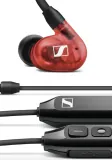
Wired IEMs
Sennheiser IE 100 PRO
Not yet scored
$80
Full review dataSpecs, scores and condensed review verdicts for the Sennheiser IE 100 PRO vs Sivga Lyrebird, side by side. Where a product has no HearWiki score yet, not enough reviews have been aggregated to rate it.
Each axis is a 0–10 blend of what reviewers scored, not a lab measurement.
Sivga Lyrebird leads on 3 of 4 measures.
The scores rank quality. This is the other question: is the newer one actually newer technology, or the same platform in a new shell?
The Sivga Lyrebird is 6 years newer, but it is the same generation of hardware: nothing in the radio, the codecs or the noise cancelling separates them. Nothing separates them on convenience features either, so the choice comes down to tuning and price. For 6 years between them, that is a thin return - treat this as a restyle rather than a new platform.
The Sennheiser IE 100 PRO is a wired in-ear monitor designed for stage and studio use, offering a straightforward, durable build at an accessible price point. It delivers a clear and balanced sound signature with a frequency response spanning 20 Hz to 18 kHz and a high sensitivity of 115 dB, making it easy to drive from a variety of sources. While it lacks active noise cancellation, its secure fit and passive isolation make it a reliable choice for monitoring applications.
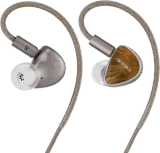
The Sivga Lyrebird is a wired quad-driver hybrid IEM that delivers a lively, well-separated sound with punchy bass and smooth treble, appealing to both music lovers and gamers. Its lightweight, comfortable build and premium construction add to its value, though the 4.4mm balanced-only connection may require an adapter for many users. Overall, it offers strong technical performance for the price, with minor caveats in sub-bass depth and tuning for certain genres.
Summaries are AI-condensed and paraphrased from published reviews and specs - not original hands-on testing. More on our method.
Swap either side out, or start again from the picker.