
Wired IEMs
KZ PRX
80Great
$55
Full review dataOn aggregated review scores the KZ PRX comes out ahead with a HearWiki score of 80. The full breakdown - sub-scores, specs and what reviewers actually said - is below.
Each axis is a 0–10 blend of what reviewers scored, not a lab measurement.
Neither pulls ahead overall - they trade wins across the measures.
The scores rank quality. This is the other question: is the newer one actually newer technology, or the same platform in a new shell?
Both shipped in 2024. These are the same generation of hardware - nothing in the radio, the codecs or the noise cancelling separates them. Nothing separates them on convenience features either, so the choice comes down to tuning and price.
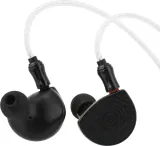
The KZ PRX is a budget-friendly planar magnetic IEM that offers a balanced, warm-leaning sound with strong detail retrieval and capable imaging for its price. It excels in sub-bass presence and smooth mids, though it demands proper amplification and ear tips to perform at its best. Its soundstage is decent but not exceptionally wide, and the stock cable is a noted weak point.
The Shozy P20 is a wired in-ear monitor featuring a single 14.5mm planar-magnetic driver, aiming for a balanced and natural sound profile. Shozy positions this model as offering a professional-grade tuning suitable for critical listening. Its wired design and lack of active noise cancellation focus on pure audio performance.
Summaries are AI-condensed and paraphrased from published reviews and specs - not original hands-on testing. More on our method.
Swap either side out, or start again from the picker.