
CrinEar Reference vs Wi Micro In-Ear: which should you buy?
On aggregated review scores the CrinEar Reference comes out ahead with a HearWiki score of 86. The full breakdown - sub-scores, specs and what reviewers actually said - is below.
Score breakdown
Each axis is a 0–10 blend of what reviewers scored, not a lab measurement.
CrinEar Reference leads on 3 of 4 measures.
- CrinEar Reference
- Wi Micro In-Ear
Specifications
- Type
- Wired IEMs
- Wired IEMs
- Price (USD)
- $350
- $190
- HearWiki score
- 86
- 50
- Released
- 2026
- 2013
- Availability
- Sold new
- Discontinued
- Driver
- 2DD + 3BA hybrid
- -
- Driver type
- hybrid
- -
- Driver configuration
- 2DD + 3BA
- -
- Driver size
- 10 mm
- -
- Drivers per side
- 5
- -
- Impedance
- 16 Ω
- 16 Ω
- Sensitivity
- 104 dB/mW
- -
- Water resistance
- -
- IPX4
- Detachable cable
- Yes
- -
- Connector
- 4.4 mm balanced
- -
What reviewers said
CrinEar Reference
The CrinEar Reference is a wired in-ear monitor with a hybrid 2DD + 3BA driver setup, offering a balanced and detailed sound signature. It features a detachable 4.4mm balanced cable and relies on a tight seal for passive isolation, making it a strong choice for critical listening at its price point.
- Pro:Hybrid driver configuration delivers rich, layered sound
- Pro:Detachable 4.4mm balanced cable for flexible connectivity
- Pro:Good passive isolation from proper eartip seal
- Con:No active noise cancellation, so external noise isn't fully blocked
- Con:Requires a balanced source to fully utilize the 4.4mm connector
- Con:Fit may be finicky for some users to achieve optimal seal
Wi Micro In-Ear
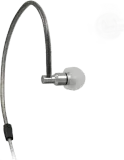
The Wi Micro In-Ear is a lightweight, over-ear wired IEM designed for active use, offering a comfortable and secure fit with IPX4 water resistance. Its 16-ohm impedance makes it easy to drive with portable devices, and while it delivers a dynamic, clear sound, it leans slightly boomy and isn't for purists seeking a perfectly neutral response.
- Pro:Comfortable and stable fit
- Pro:Durable, wire-thin build
- Pro:IPX4 water resistance
- Con:Sound is slightly boomy and muddy
- Con:Not ideal for critical or neutral listening
- Con:No remote or bass-heavy tuning
Summaries are AI-condensed and paraphrased from published reviews and specs - not original hands-on testing. More on our method.
Compare something else
Swap either side out, or start again from the picker.
