Wired IEMs
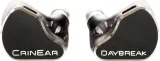
CrinEar Daybreak
84Outstanding
$170
Full review dataOn aggregated review scores the CrinEar Daybreak comes out ahead with a HearWiki score of 84. The full breakdown - sub-scores, specs and what reviewers actually said - is below.

Each axis is a 0–10 blend of what reviewers scored, not a lab measurement.
CrinEar Daybreak leads on 4 of 4 measures.
The CrinEar Daybreak is a wired tribrid IEM that delivers a well-balanced, reference-style sound with a focus on accurate reproduction and natural mids. It performs admirably across various genres, though its stock cable and occasionally shouty upper mids may not suit everyone.
The Wi Micro In-Ear is a lightweight, over-ear wired IEM designed for active use, offering a comfortable and secure fit with IPX4 water resistance. Its 16-ohm impedance makes it easy to drive with portable devices, and while it delivers a dynamic, clear sound, it leans slightly boomy and isn't for purists seeking a perfectly neutral response.
Summaries are AI-condensed and paraphrased from published reviews and specs - not original hands-on testing. More on our method.
Swap either side out, or start again from the picker.