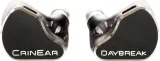
Wired IEMs
CrinEar Daybreak
84Outstanding
$170
Full review dataSpecs, scores and condensed review verdicts for the CrinEar Daybreak vs Westone UM Pro 10, side by side. Where a product has no HearWiki score yet, not enough reviews have been aggregated to rate it.
Each axis is a 0–10 blend of what reviewers scored, not a lab measurement.
CrinEar Daybreak leads on 3 of 4 measures.
The CrinEar Daybreak is a wired tribrid IEM that delivers a well-balanced, reference-style sound with a focus on accurate reproduction and natural mids. It performs admirably across various genres, though its stock cable and occasionally shouty upper mids may not suit everyone.
The Westone UM Pro 10 delivers a focused, studio-style listening experience built for performers and audio purists. With a single balanced-armature driver, it emphasizes clarity and accurate midrange reproduction rather than overwhelming bass. Its lightweight, low-impedance design makes it easy to drive from most devices while maintaining a comfortable, secure fit on stage or on the go.
Summaries are AI-condensed and paraphrased from published reviews and specs - not original hands-on testing. More on our method.
Swap either side out, or start again from the picker.