Wired IEMs
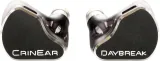
CrinEar Daybreak
84Outstanding
$170
Full review dataOn aggregated review scores the CrinEar Daybreak comes out ahead with a HearWiki score of 84. The full breakdown - sub-scores, specs and what reviewers actually said - is below.
Each axis is a 0–10 blend of what reviewers scored, not a lab measurement.
CrinEar Daybreak leads on 4 of 4 measures.
The scores rank quality. This is the other question: is the newer one actually newer technology, or the same platform in a new shell?
The CrinEar Daybreak is 9 years newer, but it is the same generation of hardware: nothing in the radio, the codecs or the noise cancelling separates them. Nothing separates them on convenience features either, so the choice comes down to tuning and price. For 9 years between them, that is a thin return - treat this as a restyle rather than a new platform.
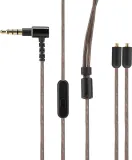
The CrinEar Daybreak is a wired tribrid IEM that delivers a well-balanced, reference-style sound with a focus on accurate reproduction and natural mids. It performs admirably across various genres, though its stock cable and occasionally shouty upper mids may not suit everyone.
A wired hybrid in-ear monitor that pairs a 9 mm dynamic driver with a balanced-armature tweeter for detailed, wide-band sound. Built for on-the-go use, it offers high sensitivity and low impedance, making it easy to drive from most portable devices. Its compact design prioritizes clear, high-resolution audio without any noise-canceling circuitry.
Summaries are AI-condensed and paraphrased from published reviews and specs - not original hands-on testing. More on our method.
Swap either side out, or start again from the picker.