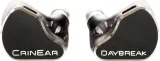
Wired IEMs
CrinEar Daybreak
84Outstanding
$170
Full review dataSpecs, scores and condensed review verdicts for the CrinEar Daybreak vs Philips TAE2000PP/00, side by side. Where a product has no HearWiki score yet, not enough reviews have been aggregated to rate it.

Each axis is a 0–10 blend of what reviewers scored, not a lab measurement.
CrinEar Daybreak leads on 4 of 4 measures.
The scores rank quality. This is the other question: is the newer one actually newer technology, or the same platform in a new shell?
These are the same generation of hardware - nothing in the radio, the codecs or the noise cancelling separates them. Nothing separates them on convenience features either, so the choice comes down to tuning and price.
The CrinEar Daybreak is a wired tribrid IEM that delivers a well-balanced, reference-style sound with a focus on accurate reproduction and natural mids. It performs admirably across various genres, though its stock cable and occasionally shouty upper mids may not suit everyone.
These are wired earbuds that plug into a USB-C port, making them a straightforward choice for phones or laptops without a headphone jack. They include a single-button remote and microphone for calls, and their 14.2 mm drivers aim to deliver a punchy low end with clear overall audio. Built for simplicity, they skip active noise cancellation and battery charging concerns.
Summaries are AI-condensed and paraphrased from published reviews and specs - not original hands-on testing. More on our method.
Swap either side out, or start again from the picker.