Wired IEMs
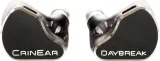
CrinEar Daybreak
84Outstanding
$170
Full review dataOn aggregated review scores the CrinEar Daybreak comes out ahead with a HearWiki score of 84. The full breakdown - sub-scores, specs and what reviewers actually said - is below.
Each axis is a 0–10 blend of what reviewers scored, not a lab measurement.
CrinEar Daybreak leads on 4 of 4 measures.
The CrinEar Daybreak is a wired tribrid IEM that delivers a well-balanced, reference-style sound with a focus on accurate reproduction and natural mids. It performs admirably across various genres, though its stock cable and occasionally shouty upper mids may not suit everyone.
Noble Audio's new universal IEMs offer two distinct tuning approaches: the Vanguard is a budget-friendly three-driver hybrid that blends a 10mm PEK dynamic driver with dual balanced armatures, while the Iris steps up as a pricier single-dynamic-driver model with a 10.2mm driver. Both wired designs feature USB-C connectivity and are geared toward listeners who prefer either hybrid versatility or the coherence of a single-driver sound.
Summaries are AI-condensed and paraphrased from published reviews and specs - not original hands-on testing. More on our method.
Swap either side out, or start again from the picker.