
Wired IEMs
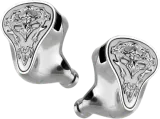
Campfire Audio Clara
78Great
$2,000
Full review dataOn aggregated review scores the Kinera Thorking comes out ahead with a HearWiki score of 81. The full breakdown - sub-scores, specs and what reviewers actually said - is below.
Each axis is a 0–10 blend of what reviewers scored, not a lab measurement.
Neither pulls ahead overall - they trade wins across the measures.
The Campfire Audio Clara is a premium hybrid IEM that pairs a warm, bass-forward tuning with crisp mids and a refined high end, resulting in a sound that is both engaging and easy to enjoy over long sessions. Its solid build, detachable MMCX cable, and included accessory package add to the value, though the large shells may not suit all ear shapes. Overall, it offers a versatile, musical performance that works well for both casual listening and monitoring.
The Kinera Thorking is a premium tribrid flagship IEM with a treble-forward, reference-style tuning that prioritizes air, detail, and transparency. Its 11-driver setup delivers strong technical performance with excellent separation and imaging, though the lean bass and lower midrange may not appeal to those seeking warmth or heavy impact. Best suited for treble enthusiasts and classical music fans, it pairs well with warmer sources to balance its bright character.
Summaries are AI-condensed and paraphrased from published reviews and specs - not original hands-on testing. More on our method.
Swap either side out, or start again from the picker.