Wired IEMs
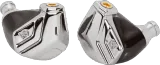
Campfire Audio Astrolith - Dual Planar IEM
87Outstanding
$2,200
Full review dataSpecs, scores and condensed review verdicts for the Campfire Audio Astrolith - Dual Planar IEM vs Yamaha EPH-50, side by side. Where a product has no HearWiki score yet, not enough reviews have been aggregated to rate it.

Each axis is a 0–10 blend of what reviewers scored, not a lab measurement.
Campfire Audio Astrolith - Dual Planar IEM leads on 4 of 4 measures.
The scores rank quality. This is the other question: is the newer one actually newer technology, or the same platform in a new shell?
The Campfire Audio Astrolith - Dual Planar IEM is 11 years newer, but it is the same generation of hardware: nothing in the radio, the codecs or the noise cancelling separates them. Nothing separates them on convenience features either, so the choice comes down to tuning and price. For 11 years between them, that is a thin return - treat this as a restyle rather than a new platform.
The Campfire Audio Astrolith is a premium dual-planar IEM that delivers a fast, clear, and highly detailed sound with impressive staging and technical precision. Its nearly flat impedance and very low distortion make it a strong performer, though it benefits from quality sources and has a couple of minor ergonomic quirks. Overall, it's a notable step forward in the brand's planar lineup, offering a cohesive and resolving listen for those seeking top-tier wired performance.
No summary yet - we haven't aggregated enough reviews.
Summaries are AI-condensed and paraphrased from published reviews and specs - not original hands-on testing. More on our method.
Swap either side out, or start again from the picker.