At under $50, the wired IEM market is less about raw driver counts and more about how well a single dynamic driver is tuned. The best budget sets here compete on tonal balance, comfort, and value, not on technical fireworks. If you are looking for your first serious wired IEM or a dependable daily driver, this is the price tier where tuning matters most.
This guide ranks the top eight wired IEMs under $50 in the HearWiki database, based on published review consensus and value scores. We have kept the focus on what separates each model and what you realistically get for your money. For the full live ranking, see the best wired IEMs page or filter the database by price.
The shortlist
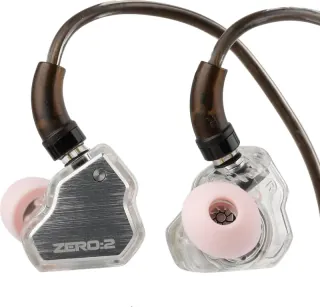
7Hz x Crinacle Zero: 2
Price: $25 | HearWiki score: 83/100 | Sound: 8.1/10 | Value: 9.8/10
The Zero: 2 is the benchmark for budget tuning. It delivers a warm, engaging sound with impressive tonal balance, and its 32-ohm impedance means it works well with most sources. The removable 2-pin cable adds practical flexibility. Its main weakness is that it is not a technical showcase; critical listeners may want more detail and air. If you want one safe recommendation under $25, this is it.
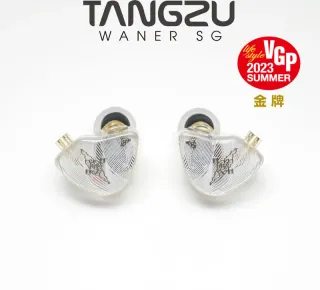
Tangzu Waner S.G
Price: $19 | HearWiki score: 82/100 | Sound: 8.0/10 | Value: 9.5/10
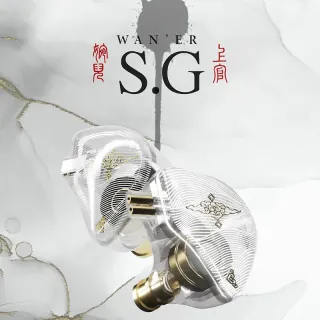
The Waner S.G focuses on a warm, smooth, easygoing sound rather than chasing technical extremes. At just 4 grams, it is very lightweight and comfortable for long sessions, and the detachable 0.78mm two-pin cable adds flexibility. Its weakness is that the sound leans relaxed rather than detailed or analytical, and there is no water resistance or ANC, so it is not for noisy outdoor use. If you want a relaxed, musical listen without spending much, this is a strong pick.
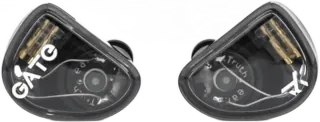
TRUTHEAR GATE
Price: $22 | HearWiki score: 82/100 | Sound: 7.5/10 | Value: 8.5/10
The GATE punches above its price with a mature, balanced sound and solid sub-bass extension. It has a single microphone on the cable, which is handy for calls, and weighs just 2.7 grams. The main trade-offs are a slightly forward upper midrange that can sound shouty, a touch of treble roughness, and ergonomics that could be better. If you want a dependable daily driver with clear detail, this is worth considering.
Tripowin x 0diBi Vivace
Price: $30 | HearWiki score: 81/100 | Sound: 7.6/10 | Value: 9.1/10
The Vivace offers a lively, engaging sound with a Harman-inspired tuning and extra treble sparkle. It is comfortable, lightweight, and well-built for the price. Its weakness is that the bass lacks technical refinement, and the bright treble may be too much for some listeners. If you want an energetic, pop-friendly sound without breaking the bank, this is a solid option.
Kiwi Ears Belle
Price: $30 | HearWiki score: 79/100 | Sound: 7.6/10 | Value: 9.1/10
The Belle prioritizes a warm, bass-rich, and vocal-forward sound over analytical precision. It offers a comfortable, compact fit and solid build quality, making it a low-risk pick for everyday listening. The main weakness is restrained treble extension, which limits air and sparkle, and the soundstage depth is only average. If you want a smooth, forgiving presentation with strong vocals, this is a good choice.
What $50 does not fix: cables, isolation, QC
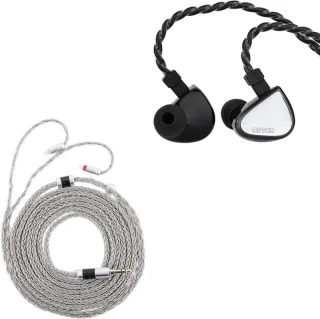
At this price, you are buying tuning first, and everything else is a compromise. None of these models have active noise cancellation, wireless connectivity, or battery life to consider, because they are wired. What you do get is a cable, and most use a standard 2-pin connector, which is replaceable. The stock cables are usually functional but basic; expect some microphonics and a modest feel.
Isolation is passive only. If you need to block out noise, you will rely on a good seal from the ear tips. None of these models list an IP rating, so do not expect water resistance. Build quality varies: some shells feel solid, others are plastic and light. QC can be inconsistent at this price, so check reviews for common issues, but the tuning is the main reason to buy.
How we picked
The HearWiki score is a buyability score derived from published review consensus, price, and current availability. It is not a weighted average of the sub-scores. The sound and value sub-scores are separate category summaries, and the gap between them and the headline score reflects broader factors like build, comfort, and review sentiment. HearWiki does not test, wear, or measure products itself; the scores come from the published record.
For this guide, we ranked the top eight models under $50 in the database. The top five are covered in detail above. The remaining three are close behind and worth a look if the top picks do not fit your preferences.
DUNU TITAN X
Price: $35 | HearWiki score: 79/100 | Sound: 7.6/10 | Value: 9.5/10
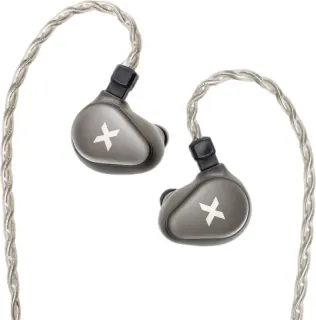
The Titan X offers a spacious, energetic sound with strong bass and lively treble. It is comfortable for extended sessions and has a solid build. Its weakness is that the upper mids and lower treble can sound forward or aggressive, and the soundstage is somewhat limited. If you want a fun, detailed listen with a warm tilt, this is a compelling option.
Tangzu Wan'er S.G
Price: $19 | HearWiki score: 79/100 | Sound: 7.8/10 | Value: 9.3/10
This is the Studio Edition listing of the Wan’er, with the same warm, well-balanced tuning and a comfortable fit. It weighs 4.2 grams. The main weakness is average technical performance, with limited detail and slightly lacking high-frequency extension, and no carrying case is included. If you want a musical, easy listen and do not need the accessories, this is a fine budget pick.
NICEHCK TEARS
Price: $29 | HearWiki score: 79/100 | Sound: 7.5/10 | Value: 9.3/10
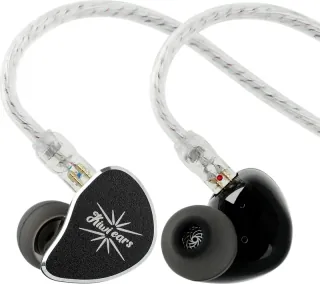
The TEARS delivers deep, controlled bass, clear treble, and good soundstage depth for its price. The tuning is balanced and mildly V-shaped, which works across genres. Its weakness is the plastic build, which feels less durable, and the upper mids can be sharp on some tracks. If you want a smooth, natural sound with strong bass, this is worth considering.
FAQ
Do I need an amplifier for these IEMs?
No. All of these models have impedance ratings between 16 and 32 ohms, which means they are easy to drive from a phone, laptop, or any standard headphone jack. You do not need a separate amplifier, though a decent dongle DAC can improve the sound slightly.
Are these IEMs good for gaming?
Yes, mostly. Wired IEMs have low latency and good imaging, which helps in games. The tuning varies, so pick one with a balanced sound if you want to hear footsteps clearly. The best gaming headsets guide covers more options if you need a microphone.
How do I replace the cable on these IEMs?
Most of these models use a standard 2-pin connector, which is easy to replace. You can buy a new cable with the same connector and simply pull out the old one and push in the new one. Always check the connector type before buying a replacement. For more on choosing wired IEMs, see the best wired IEMs page.