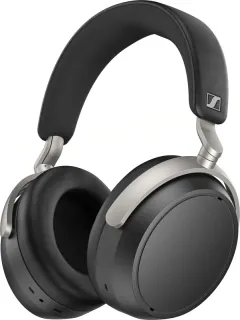
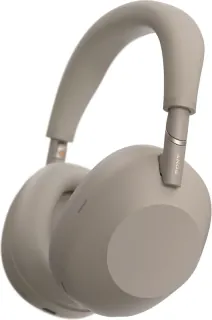
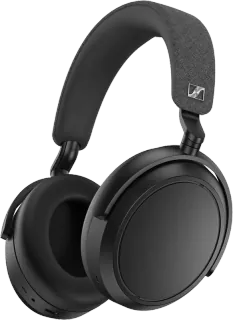
Two premium wireless over-ear headphones landed in 2025 with different priorities. The Sony WH-1000XM6 is the refined all-rounder, while the Sennheiser HDB 630 leans hard into audiophile sound. Both cost serious money, both have adaptive noise cancelling, and both score closely on HearWiki. But they are not interchangeable. This head-to-head works through the specs, the scores, and the real-world trade-offs so you can decide which one fits your listening habits.
Price and positioning
The Sony WH-1000XM6 asks $398. The Sennheiser HDB 630 asks $450. That $52 gap matters, but not as much as what each brand expects from you. Sony positions the XM6 as a do-everything travel headphone: light, comfortable, with LDAC support and a 12-microphone array for calls. Sennheiser positions the HDB 630 as a wireless headphone for people who obsess over detail, with a 42 mm driver and a high 480-ohm impedance that may need more power than a typical phone can deliver.
You are not just paying for different features. You are paying for different philosophies. Sony wants you to forget the headphone is there. Sennheiser wants you to notice the music. Neither is wrong, but the HDB 630's impedance is a real caveat. If you plan to drive it from a phone alone, you may not hear what it is capable of.
The scores, side by side
HearWiki scores are close. The Sony WH-1000XM6 scores 86/100. The Sennheiser HDB 630 scores 84/100. Two points is a narrow margin, and in practice it means both are excellent. The sub-scores tell a more interesting story.
- Sound: Sony 8/10, Sennheiser 9/10
- ANC: Sony 8.5/10, Sennheiser 8/10
- Battery: Sony 7.5/10, Sennheiser 9/10
- Calls: Sony 7/10, Sennheiser 7/10
- Value: Sony 7.5/10, Sennheiser 7.5/10
Sennheiser wins sound and battery clearly. Sony wins ANC by half a point. Calls and value are a tie. The overall scores are so close because each headphone gives back what the other takes away. Do not read too much into the two-point gap. It reflects different strengths, not a clear winner.
Sound
Sennheiser takes the sound crown here. Its 42 mm dynamic driver delivers a balanced, musical midrange that makes vocals and instruments feel present. The HDB 630's sound profile is detailed and refined, with a warmth that suits jazz, classical, and acoustic music. Its 9/10 sub-score is the highest in this comparison, and it is earned.
Sony is no slouch. The WH-1000XM6's 30 mm driver produces a well-balanced sound that handles pop, rock, and electronic music admirably. It supports LDAC for high-resolution wireless audio, which is a genuine advantage if your phone and streaming service support it. But the XM6 does not have the same level of texture or separation as the HDB 630. If you listen analytically, you will hear the difference.
One caveat: the HDB 630's high 480-ohm impedance means it may sound thin or underpowered from a standard phone jack. Sennheiser includes a USB dongle for high-resolution aptX codecs, but the codec support for the built-in Bluetooth 5.2 is not recorded in our data. Sony lists SBC, AAC, LC3, and LDAC. Sennheiser's codec list is null, so we cannot confirm what it supports over standard Bluetooth. That is a gap you should investigate before buying.
Noise cancelling and battery
Sony leads on noise cancelling. The XM6's adaptive ANC scores 8.5/10 and is described as class-leading. It adjusts to your environment in real time, which makes it excellent for flights, trains, and open-plan offices. The HDB 630's adaptive ANC scores 8/10, which is still strong, but it is a step behind Sony in sheer attenuation.
Battery is where Sennheiser pulls ahead. The HDB 630 offers 60 hours of playback, which is exceptional. Sony claims 40 hours, but that drops to 24 hours with ANC on. Sennheiser does not specify a battery figure with ANC on, so we cannot compare that directly. For long-haul travel or weeks of commuting without charging, the HDB 630 is the safer bet.
Both support quick charging, though Sennheiser's exact quick-charge figures are not recorded. Sony's battery sub-score of 7.5/10 reflects the ANC drain. Sennheiser's 9/10 reflects the raw endurance.
Calls and everyday use
Call quality is a tie at 7/10. Sony uses a 12-microphone array for clear calls and effective transparency mode. Sennheiser also offers a transparency mode and multi-device pairing, but its call performance is rated the same. Neither is a conference-call specialist, but both are fine for phone calls and video meetings.
Everyday comfort favours Sony. The XM6 weighs 254g and is described as light and comfortable. It has intuitive button controls, but no touch controls, which some people prefer and others miss. The HDB 630's weight is not recorded, but its 42 mm driver and premium build suggest a heavier, more substantial feel. Sony also lacks water resistance, and Sennheiser's rating is not recorded, so treat both as rain-averse.
For travel, Sony's lighter build and stronger ANC make it the easier daily companion. For desk listening, Sennheiser's longer battery and superior sound win.
Which one should you buy?
Buy the Sony WH-1000XM6 if you want the best all-rounder for travel, commuting, and everyday use. It has stronger noise cancelling, a lighter build, LDAC support, and costs $52 less. The 24-hour battery with ANC is enough for most trips, and the button controls are simple to learn. It is the safer recommendation for most people.
Buy the Sennheiser HDB 630 if you are an audiophile who wants wireless convenience without sacrificing sound quality. The 60-hour battery is outstanding, and the 9/10 sound sub-score is the best in this comparison. But be ready for the high impedance and the premium price. This is a niche product for a specific listener, not a general-purpose recommendation.
If you are torn, the full comparison table at /compare/sony-wh-1000xm6-vs-sennheiser-hdb-630 lays out every spec side by side. For broader options, see our picks for the /best/over-ear headphones or the /best/anc-earbuds if you prefer a smaller form factor.
FAQ
Is the Sennheiser HDB 630 worth the extra money over the Sony WH-1000XM6?
Yes, if sound quality is your top priority. The HDB 630 scores 9/10 for sound versus the Sony's 8/10, and its 60-hour battery is a major advantage. But you pay $52 more and need to account for the high impedance, which may require a better source than a phone.
Does the Sony WH-1000XM6 support LDAC?
Yes, the Sony WH-1000XM6 supports LDAC along with SBC, AAC, and LC3. This allows high-resolution wireless audio if your phone and streaming service support it. Sennheiser's codec list is not recorded, so we cannot confirm what it supports over standard Bluetooth.
Which headphone has better noise cancelling, Sony or Sennheiser?
The Sony WH-1000XM6 has better noise cancelling, scoring 8.5/10 versus the Sennheiser HDB 630's 8/10. Sony's adaptive ANC is described as class-leading, making it the stronger choice for flights and noisy environments. Sennheiser's ANC is still good, but it is a step behind.