The HearWiki score is a 0-100 number that tries to summarise what professional reviewers think of a headphone. It is not a measurement, a laboratory test, or our opinion. It is an aggregation of published third-party reviews, normalised and blended into a single figure you can compare across products.
This guide explains exactly how the score is built, where the data comes from, why sub-scores often matter more than the headline, and where the system has limits. If you are deciding between two models, the score is a useful starting point, but it should not be the only thing you look at.
What the number actually is
The HearWiki score is a weighted average of normalised review scores from across the web. We take reviews that rate headphones on different scales, convert them all to a common 0-100 scale, and blend them into one number. A product that scores 88/100 has, on average, been rated more highly by critics than one that scores 72/100.
The score is designed to be comparable across categories. A 90/100 over-ear and a 90/100 true wireless earbud both represent the same level of critical acclaim within their respective groups. That does not mean they sound alike, only that reviewers have been equally enthusiastic.
We do not test hardware. HearWiki has no listening lab, no measurement rig, and no in-house opinion. The score is entirely derived from what other people have written. If a product has not been reviewed widely, it will not have a score at all.
Where the data comes from
The database currently draws on 3,556 sources covering 1,818 products from 237 brands. Of those, 1,070 products have enough review data to be scored. The average score across all rated products is 65.9/100.
Sources include professional publications, specialist audio sites, and established YouTube reviewers. We do not scrape user reviews from retail sites, because those tend to be self-selecting and hard to normalise. Each source is read for a clear numeric or star rating, which is then converted to the 0-100 scale.
A review that gives 4 out of 5 stars becomes 80/100. A review that gives 8.5 out of 10 becomes 85/100. A review that gives 72 out of 100 stays 72/100. We do not weight sources by prestige; a well-known outlet and a smaller specialist blog count the same, provided the review is substantive and clearly rated.
Sub-scores, and why they matter more than the headline
A single headline number hides a lot. That is why every scored product also carries sub-scores for sound, noise cancelling, battery, calls, and value. Each sub-score is normalised from the same review pool, but only from reviews that actually comment on that aspect.
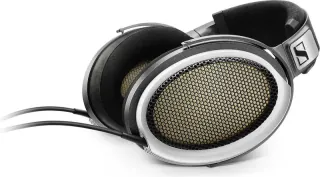
Consider the Sennheiser HE-1. It scores 92/100 overall, the highest in the database. Its sound sub-score is 10/10. Its value sub-score is 2/10. The headline number alone would tell you it is a great headphone, which it is, but it would not tell you that every reviewer agrees it is absurdly expensive for what you get. The sub-scores do.
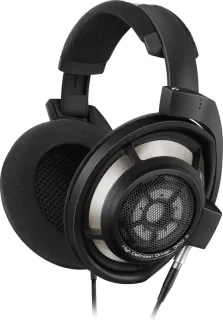
The HiFiMAN Susvara scores 88/100 with a sound sub-score of 9.5/10 and a value sub-score of 5/10. The Sennheiser HD 800s also scores 88/100, with the same sound sub-score but a value sub-score of 6.5/10. The headline numbers are identical. The sub-scores tell you which one reviewers thought was better value for money.
If you are buying for a specific use case, filter by sub-score. A pair of best ANC earbuds might have a lower headline score than a wired IEM, but its noise cancelling sub-score will be far higher. That is the number you should care about.
Confidence, and when we refuse to score
A score is only as good as the data behind it. If a product has one thin review, averaging it into a 0-100 number would give a false impression of certainty. So we do not score products unless they have enough usable sources to form a reasonable consensus.
Each scored product carries a confidence figure, which reflects how many independent reviews contributed to the score. More sources means higher confidence. A product with two or three reviews might get a score, but it will be flagged as low confidence. A product with a single short review is left unscored entirely.
This is why you will find products in the database with no score. It is not an oversight. It is a deliberate refusal to present a shaky number as a solid one. If you see a product without a score, treat it as unreviewed, not as bad.
What the score is not
The score is not a measurement of sound quality. It is a summary of critical consensus. Reviewers disagree, and the score blends those disagreements into a single figure. It cannot tell you whether a headphone suits your taste, your head shape, or your music library.
Coverage is uneven. Budget products and boutique brands are under-reviewed compared to mainstream flagships. A 90/100 budget IEM might be based on three reviews, while a 90/100 flagship over-ear is based on twenty. The confidence figure tells you which is which.
The score also moves over time. As new reviews are published, the aggregate shifts. A product that launched to glowing reviews may drop as more critical voices weigh in. Rankings are not frozen; they are a snapshot of the current consensus.
Finally, the score says nothing about durability, comfort, or long-term reliability, because reviews rarely cover those things systematically. For that, you need to read the full reviews, not just the number. Our best pages and headphone database are good places to start, but the score is a summary, not a substitute for reading.
FAQ
Is the HearWiki score based on my listening tests?
No. HearWiki does not test hardware. The score is aggregated from published third-party reviews, normalised to a common 0-100 scale. It reflects what professional reviewers think, not what we think.
Why does a headphone have no score on HearWiki?
A product is left unscored when it does not have enough usable reviews to form a reliable consensus. A single thin source is not enough. We prefer to show no score rather than a misleading one.
How often is the HearWiki score updated?
The score is recalculated as new reviews are added to the database. There is no fixed schedule. When a significant review is published, the aggregate is re-run and the score may move.
Can I trust the HearWiki score for buying decisions?
It is a useful starting point, but it is not a measurement. Check the sub-scores for the features you care about, look at the confidence figure, and read at least a couple of full reviews before spending money. The score summarises consensus; it does not replace judgment. For more on our methods, see the about page. For curated recommendations, see our best lists. If you are comparing two specific models, the compare tool will show their scores side by side.